Every year as September approaches, my hair starts to “act up.” Transitioning from the sunny summer into the cool and slightly dry autumn, not only does my skin become dry—my hair does too. After enduring sea breeze, UV rays, and chlorine from pools, my ends often become dry and split, while my overall hair looks dull and lifeless, sometimes even shedding more than usual. Facing all these seasonal “hair crises,” I’ve gradually developed a comprehensive haircare routine that I adjust with the seasons—from cleansing to deep repair—to keep my hair silky, shiny, and full of vitality through autumn.
Here, I want to share my full haircare routine during the summer-to-autumn transition, covering cleansing, conditioning, diet, and daily protection. Whether you have long hair, love coloring and perming, or just want to improve dry and frizzy hair, you’ll find a solution that works for you.
Step 1: Understand the Root Cause of “Seasonal Frizz”
Many people think dry hair just means lack of moisture. But in fact, during seasonal transitions, the real issue is not just dehydration—it’s the damaged cuticle and misaligned hair scales. After summer exposure to the sun and frequent washing, the protein structure of the hair weakens, making it harder to retain moisture and leading to frizz and breakage.
As autumn sets in, the temperature drops, the air becomes dry, and the scalp’s oil secretion slows down, weakening its natural protection. If your haircare routine doesn’t adapt to these changes, you’ll likely experience seasonal hair fall, increased dandruff, and overall deterioration of hair texture.
So, the key to autumn haircare isn’t just using more conditioner—it’s adjusting your entire routine to repair damage and restore balance between oil and moisture.
Step 2: Switch to Mild Shampoos for the New Season
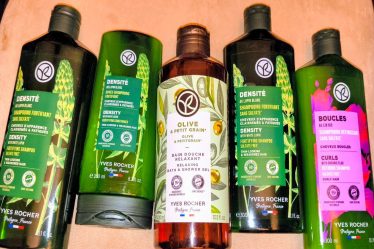
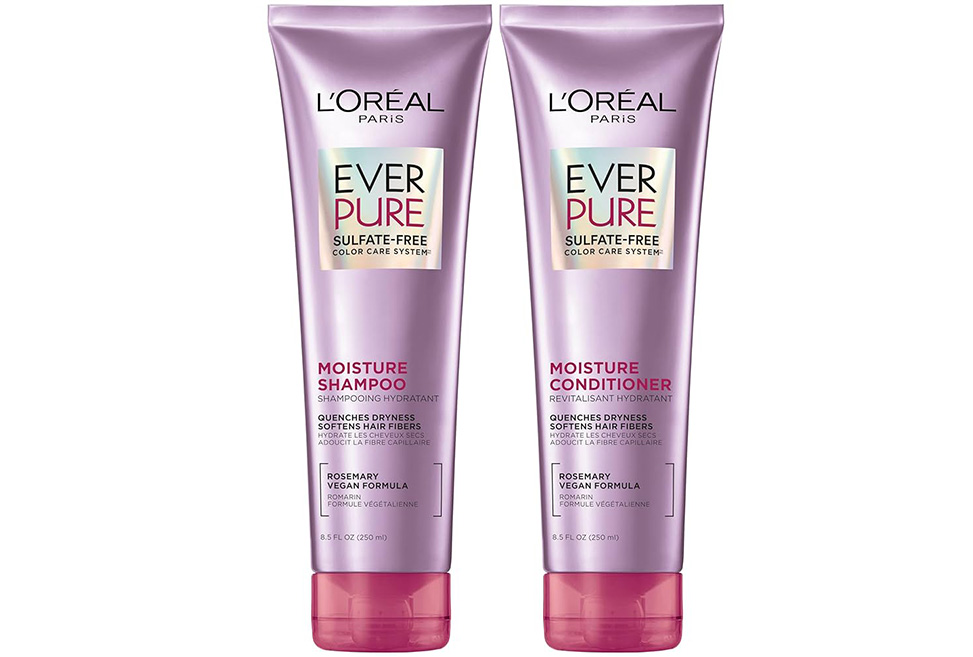
In autumn, I switch out my summer clarifying or oil-control shampoos for gentler, more nourishing options. I prefer shampoos with amino acids or botanical oils, which are especially friendly to dry or sensitive scalps.
One amino acid shampoo I’ve used is a Japanese green-bottle product with fine lather and just the right amount of cleansing power—my hair doesn’t feel tight or squeaky afterward. Another favorite is the L’Oréal Paris Extraordinary Oil Repair Shampoo, rich and creamy, packed with keratin and plant oils—perfect for hair damaged by coloring or perming.
Pro tip: These products can be found on Amazon, Boots, or Lookfantastic. Watch for discounts for the best value.
Step 3: Conditioner Is Basic—Hair Masks Are Essential
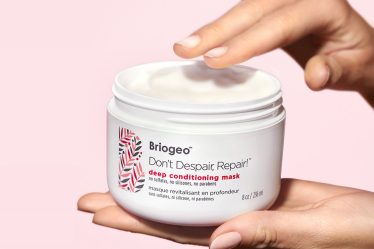
If conditioner is your daily moisturizer, then a hair mask is your hair’s night serum. During the summer-autumn transition, I use a deep-repair hair mask at least twice a week, especially after coloring or outdoor activities.
One mask I adore is the Moroccanoil Restorative Hair Mask—it has a comforting amber scent and contains argan oil and proteins. After use, my hair feels smoothed and pampered. I wrap my hair in a warm towel and leave it for 10–15 minutes to help the nutrients penetrate deeply.
For the lazy days, leave-in overnight hair serums are a great choice too. I sometimes apply a bit to my ends before bed—by morning, my hair feels smooth and glossy without being greasy.
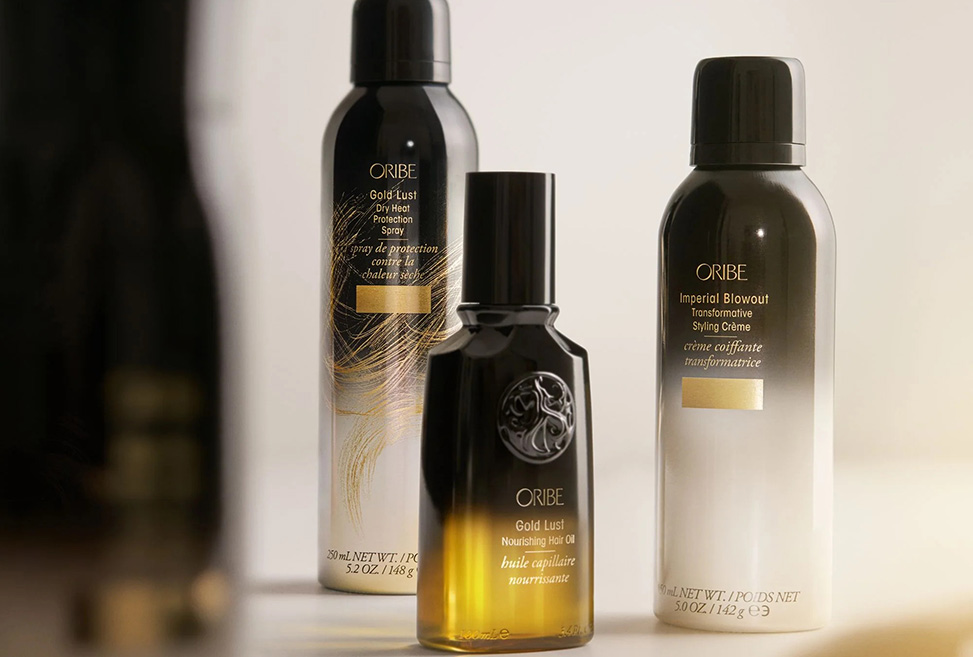
Step 4: Hair Oil Isn’t Optional—It’s Essential
In my view, the must-have item in autumn haircare is—hair oil. Applying it to towel-dried hair, especially the ends, helps seal in moisture, repair cuticles, and protect hair from heat damage caused by blow dryers.
I’ve been using a small bottle of Moroccan argan oil for years—compact and easy to use. Just one pump is enough for my ends. I also like a lightweight oil from UK brand Percy & Reed, which is great for fine hair and doesn’t feel greasy at all.
Usage tip: Apply when hair is semi-dry, avoid the roots, and use only 2–3 drops per time. Don’t overdo it.
Step 5: Reduce Heat Damage—Don’t Let Your Dryer Undo Your Efforts
Autumn is a “just-right” season—not too hot, not too cold—so many people prefer to air dry their hair. But actually, when air drying, your hair’s cuticles are open and exposed, making them prone to damage as moisture evaporates too quickly.
I recommend using a temperature-controlled ionic hair dryer to dry your hair quickly—ideally within 20 minutes after washing. Before blow-drying, spray a heat-protection mist to create a barrier and reduce thermal damage.
Drying tips: Start with the scalp, then the mid-lengths, and finally the ends. Avoid blasting the ends with hot air for too long, which can cause more split ends and dryness.
Step 6: Don’t Overlook Diet—What You Eat Shows in Your Hair
Many people focus only on “external care” and forget about the role of nutrition. Hair is essentially an extension of protein—if your diet lacks nutrients, even the most expensive haircare products won’t save your hair.
During seasonal transitions, I make sure to get high-quality proteins (like eggs, nuts, tofu, salmon), plus foods rich in iron, zinc, and B vitamins. These nutrients promote healthy scalp circulation and follicle vitality, reducing hair fall and supporting new hair growth.
Drinking 1.5–2 liters of water daily is also essential—hydration is the foundation of smooth, healthy hair.
Step 7: Trim Regularly—Don’t Be Afraid to Cut the Ends
In early autumn, I schedule a “seasonal trim.” It’s not about cutting it short, but about removing split or severely damaged ends so new healthy hair can grow.
I used to resist cutting my hair, thinking longer was better, but the ends would just get drier and harder to manage. Now I realize regular trims actually improve the overall texture and make styling much easier. If you color or perm your hair frequently, this step is especially important.
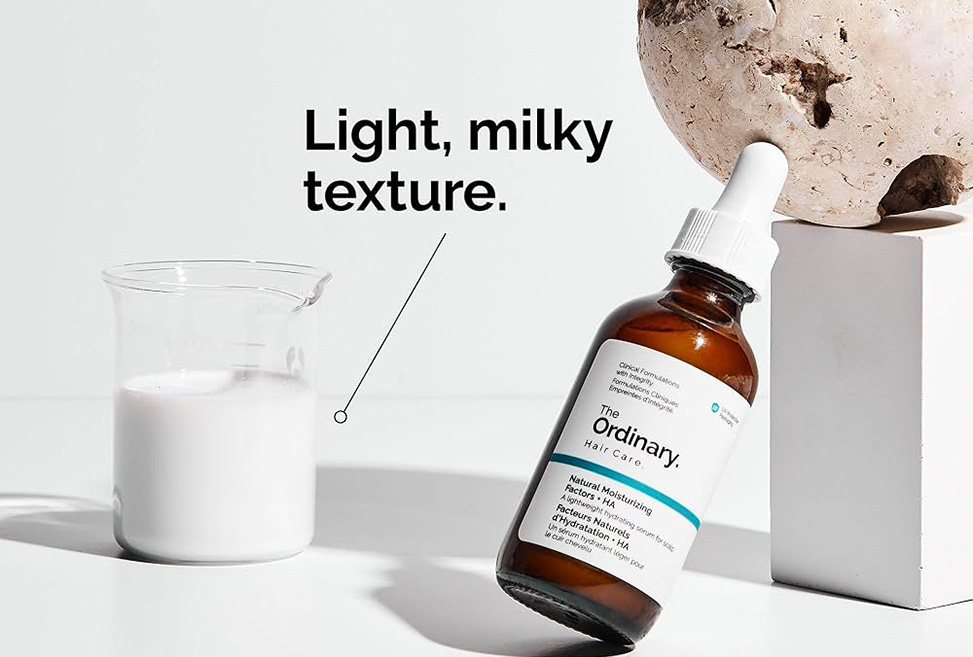
Step 8: Don’t Forget Your Scalp—Healthy Hair Starts at the Root
A healthy scalp is the foundation for great hair. In autumn, I do a deep scalp cleanse once a week using a gentle exfoliant or essential oil-based scalp massage product.
I love The Ordinary’s scalp serum—it contains caffeine to gently stimulate follicles, helping reduce oiliness and shedding. I use it with a wooden brush or scalp massager to improve blood flow and relieve stress.
You can also treat yourself to a professional scalp spa once a month, letting the tools and techniques deeply cleanse pores and soothe your scalp.
Consistency Is the Key to Beautiful Hair
Haircare isn’t a quick fix solved by one magic product. It’s an ongoing process of tuning, learning, and adapting. The seasonal shift between summer and autumn is the perfect time to “rebuild” your hair. With a little extra care—from cleansing to nourishment, from diet to habits—you’ll be amazed at how your hair responds.
I hope my personal experiences and detailed tips help you achieve soft, healthy, glossy hair this autumn. No need for overly complex steps or luxury products—just find your own rhythm and the right methods, and you’ll be saying goodbye to frizz and welcoming a season of shine and confidence!