The UK’s autumn and winter don’t hold back—damp cold, strong winds, big temperature swings, and even indoor heating can secretly damage your hair. Every year around this time, I treat my hair to a full “seasonal care reset.” It’s the same logic as swapping your clothes: what worked in summer simply isn’t enough in the dry, cold months.
Common post-season hair woes include dryness and frizz, static flyaways, and styles that refuse to hold. Without proactive care, hair quality can spiral throughout autumn and winter. Today, I’m sharing my tried-and-true all-in-one guide—from shampooing and conditioning to hair masks, scalp care, styling tips, and anti-static hacks. Whether you have fine hair, colored or permed tresses, natural curls, or limp oily strands, there’s inspiration here for you.
1. First Step: Swap Your Shampoo
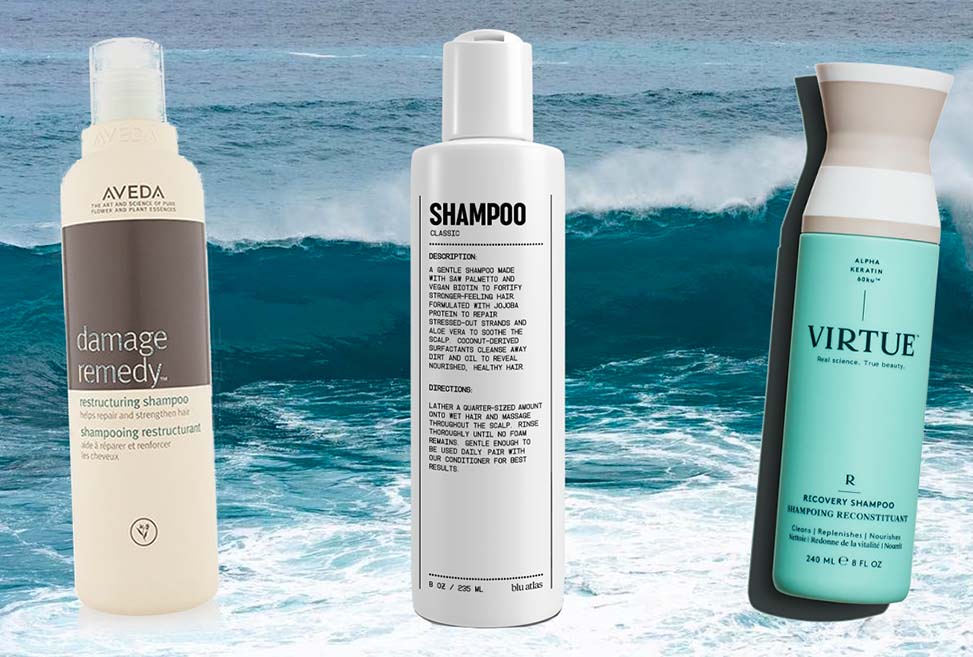
When the season changes, the first product I update is my shampoo. Refreshing, oil-control formulas that worked in summer tend to dry my hair and irritate my scalp in cooler months. By September, I switch to nourishing or gentle repair shampoos.
- Dry, itchy, sensitive scalp? Try amino-acid shampoos. These offer gentle cleansing without stripping your scalp barrier—perfect if your scalp feels tight or itchy the next day.
- Color-treated, damaged hair? Opt for repair shampoos. Look for keratin, coconut oil, honey, or protein-based ingredients to start mending cuticles from the wash stage.
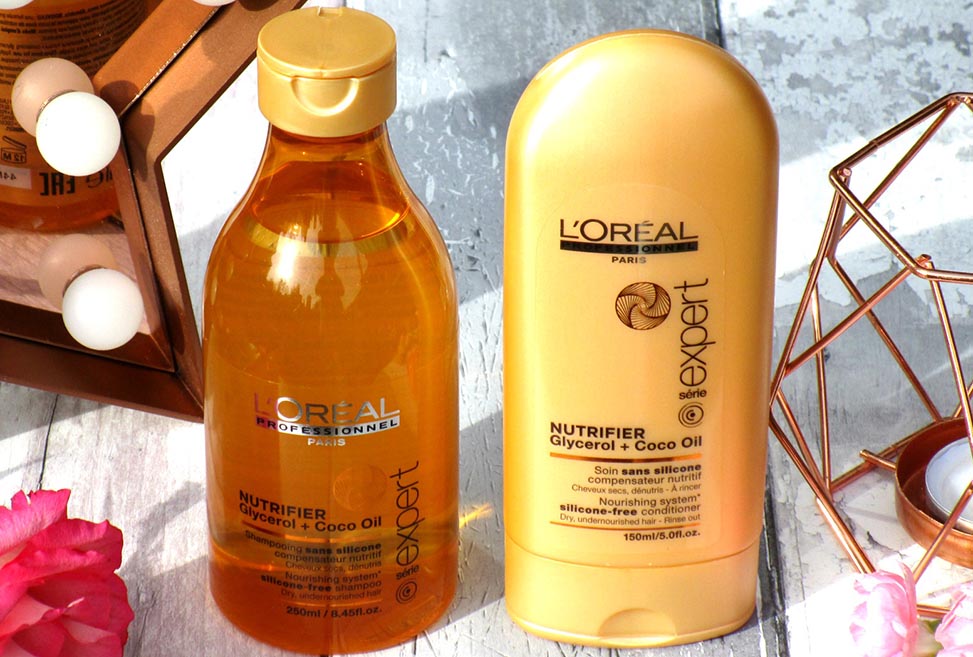
This season, I’ve been loving L’Oréal Professionnel’s Nutrifier shampoo. It moisturizes without weighing hair down—my scalp feels clean, my strands feel smooth.
2. Conditioner: Your Core Hydration Step
Conditioner isn’t optional in autumn–winter—it’s essential. Strands lose moisture faster now, so extending conditioner time is a game-changer.
My routine:
- After shampooing, gently squeeze out excess water before applying conditioner from mid-lengths to ends.
- Detangle with a wide-tooth comb to evenly distribute product.
- Leave for 3–5 minutes before rinsing.
- If time allows, I clip on a shower cap so natural steam improves absorption.
Look for nourishing ingredients like shea butter, jojoba oil, hyaluronic acid, or hydrolyzed proteins.
3. Hair Masks: Your Deep Repair Essence
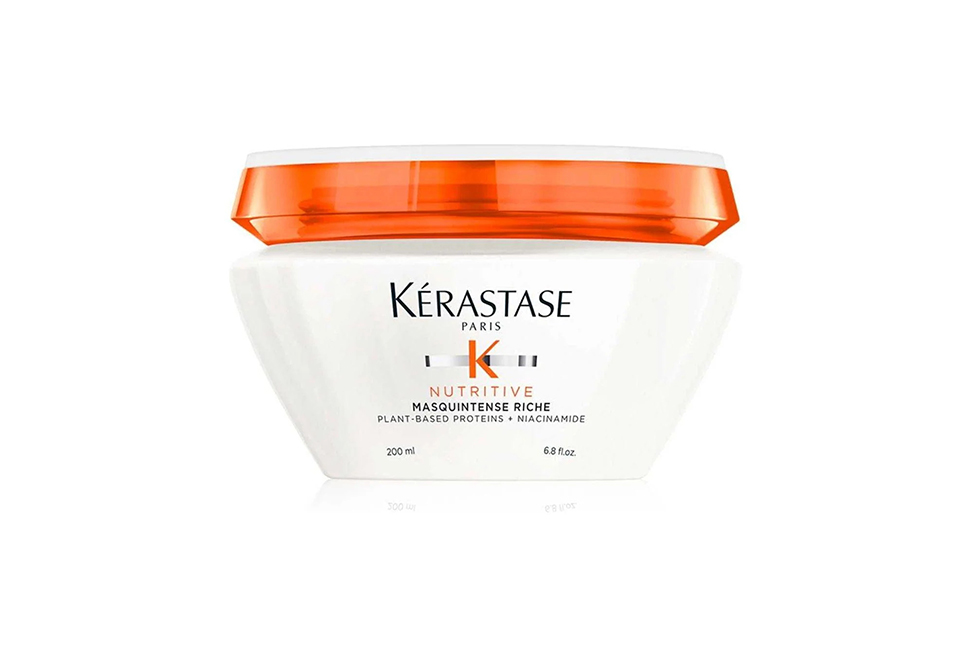
A weekly hair mask is a must in colder months—especially for dry, tangled, or heat-stressed ends.
My mask routine: 1–2 times a week after shampooing, towel-dry slightly, apply mask from mid-lengths to tips, then wrap in a hot towel or wear a thermal cap for 10 minutes.
My favorites include:
- Kérastase Nutritive Masquintense (great for medium–dry hair)
- Moroccanoil Repair Mask (excellent for colored hair)
- Lush H’Suan Wen Hua Hair Treatment (pure, silicone-free, ideal for sensitive scalps)
These are widely available at Lookfantastic, Feelunique, and Amazon.
4. Scalp Care: Healthy Roots = Beautiful Hair
Scalp issues peak in autumn–winter. Indoor heating dries out the scalp, cold air stings it, and wearing hats traps heat—all leading to imbalanced oil, dandruff, or even hair loss.
Here’s how I support my scalp:
- Exfoliating scalp serum/scrub every two weeks to clear buildup and restore clarity.
- Soothing scalp mist with chamomile, mint, or lavender if I experience seasonal scalp itchiness.
- Scalp massage with nourishing oil (jojoba or rosehip) using circular motions for 5 minutes—boosts circulation and root health.
5. Blow-Dry Strategy Matters
In winter, many people are tempted to leave their hair half-dry while rushing out, but this risks cold scalp, oily roots, and frizzy ends.
Do this instead:
- Gently blot hair with a towel—no rubbing.
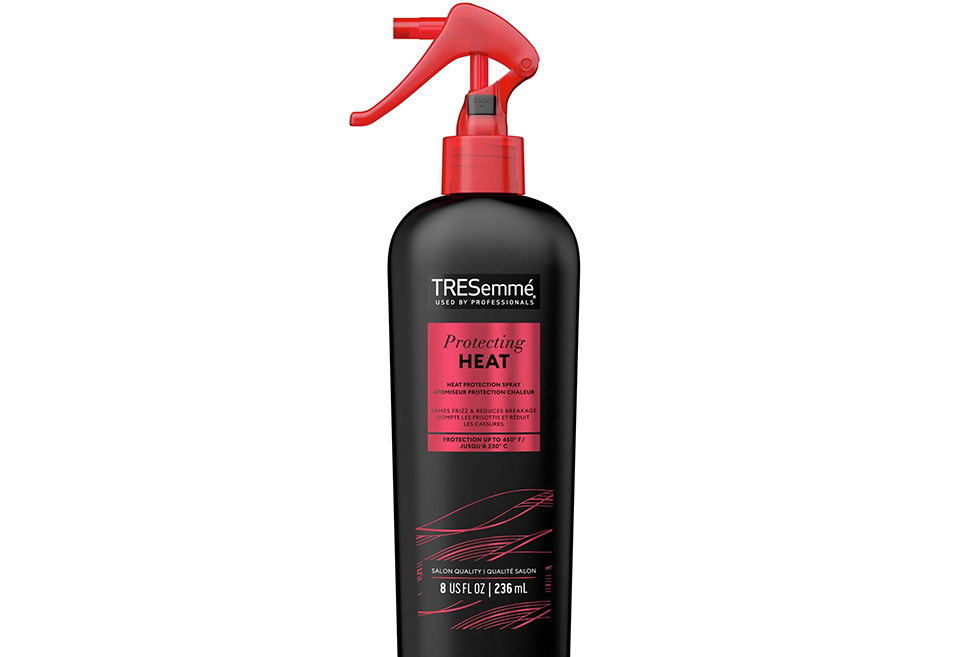
- Spray on heat protectant or hair serum.
- Blow-dry scalp first (focus on drying roots), then mid-lengths and ends.
- Always use the nozzle with airflow directed downwards to smooth the cuticle.
My go-to heat protectant: TRESemmé Heat Defence Spray—protects strands and offers a lighthold for everyday styling.
6. Styling Tips: Natural Volume & Frizz Control
Autumn–winter static and friction are real—thanks to hats, scarves, and heavy layering that cause hair to lose shape and cling awkwardly. I combat this with a few reliable styling tricks that help my hair stay full and polished throughout the day.
- Volumizing root sprays or powders are my go-to for fine, limp hair. Apply at the roots before blow-drying to create a natural lift and fuller silhouette without weighing hair down.
- Low-heat curling iron (26 mm) is perfect for adding subtle waves. I curl just the ends for a soft, undone look, then mist with a lightweight hairspray to hold shape without crunchiness.
- Anti-static hair oil or serum is essential—rub a small amount between your palms and gently sweep across mid-lengths and ends to tame frizz and give your hair a polished finish.
- Hat-hair trick: Before wearing a beanie or beret, I part my hair slightly off-center. Once indoors, I flip it back to the middle or opposite side for instant volume without creasing.
7. Daily Habits That Make a Difference
Beyond any product or styling routine, it’s often the little day-to-day habits that shape the long-term health and beauty of your hair. These simple adjustments have made a visible difference in my routine.
- Using silk pillowcases or frequently changing cotton ones helps minimize overnight friction, reducing split ends and morning frizz.
- Taking 2–3 tool-free days per week allows your hair to rest and recover from heat damage, especially important in colder months when strands are already stressed.
- Never tying or sleeping with wet hair is a rule I strictly follow—wet hair is more fragile, and tension from hair ties or tossing in sleep can cause breakage.
- Eating healthy fats like avocados, nuts, and oily fish supports hair growth and shine from within. Beauty really does start on the inside, and your strands will thank you for it.
Hair Deserves Seasonal TLC, Too
Autumn–winter hair care isn’t complicated—it just demands consistency and awareness. Just as we choose warm fabrics and richer skincare in colder months, our hair needs a gentle, moisturized routine too.
I firmly believe that soft, shiny, healthy hair doesn’t require excessive styling—it’s the small care details that convey natural precision, discipline, and quality. Here’s to finding your own “hair change-of-season rhythm” this winter—no stress, no patchwork solutions, just effortlessly radiant strands.