Scent is one of the most mysterious human senses, capable of awakening memories and emotions like nothing else. Often, a perfume is not just a collection of fragrances but a silent language that reveals a person’s personality, mood, and even lifestyle attitude. I have always believed that everyone should have their own “fragrance code,” a unique scent charm that invisibly influences others’ first impressions and provides emotional support and comfort amid life’s hustle and bustle.
Today, I want to dive deep into the secrets of fragrance—from how to choose a scent, to understanding fragrance notes, to crafting your own signature scent. I will also share some of my favorites and practical advice to help you find your own “fragrance code.”
1. Why Is Fragrance So Magical and Captivating?
Perfume is not just about smelling good; it extends one’s emotions and aura. A scent that suits you can boost confidence, relieve stress, and even awaken beautiful memories. Psychological studies show that scent directly stimulates the brain’s emotional and memory centers. That’s why smelling a certain fragrance can instantly evoke specific people, scenes, or feelings.
The charm of fragrance also lies in its “invisible language.” It doesn’t require words but lets people quickly perceive your style—whether you are gentle and sweet, mysteriously elegant, vibrant, or cool and composed. Perfume acts as your invisible business card, transmitting your unspoken charm code.
2. Understanding Fragrance Notes and Structure: Decoding Your Scent Language
Understanding the structure of fragrance notes is the first step to unlocking your fragrance code. Generally, perfume consists of three layers:
- Top Notes: The first scents you smell, usually fresh and bright but fleeting, forming the initial impression. Common top notes include citrus, mint, and green plant aromas.
- Heart Notes: Also called the “heart” or “middle notes,” these form the core character and style of the perfume, often comprising floral, fruity, or spice notes.
- Base Notes: The lasting scents that form the soul of the perfume, often woody, musky, vanilla, or amber, giving a warm and deep feeling.
Knowing these layers helps determine whether a perfume matches your temperament and the occasions you want to wear it.
.jpg)
3. How to Choose Your Exclusive Fragrance Code
Choosing perfume is not about blindly following trends but a process of self-discovery and expression. Here are some practical steps I have learned over the years:
- Clarify the purpose and occasion: Different occasions call for different types of fragrance—light and clean for work, slightly seductive or romantic for dates, fresh and natural for travel.
- Don’t rush when testing: The scent immediately after spraying can differ greatly from how it settles on the skin. I recommend testing on your skin and observing the changes from top to base notes for at least 30 minutes to ensure you truly like the scent.
- Pick a scent that matches your personality and the season: Warm woody scents suit autumn and winter; fresh citrus and aquatic notes are ideal for spring and summer. Gentle personalities may prefer floral scents, lively and cheerful people might enjoy fruity notes, and those with a mysterious vibe can try oriental fragrances.
- Don’t be afraid to try different brands and niche perfumes: Beyond the big brands, independent designers and niche brands often better express unique personalities and tend to be more affordable. I often browse new and well-reviewed perfumes on Amazon—convenient and reliable.
4. Tips for Creating Your Signature Scent
- Spray on different pulse points to release various nuances: Common spots include wrists, behind the ears, and the neck, where body heat helps diffuse the scent better. Spraying on the chest and hair can also increase longevity and layering of the fragrance.
- Don’t overdo it; leave some “breathing space”: Appropriate spraying reveals elegance without overwhelming others. Generally, 2-3 sprays are enough, leaving a subtle scent trail that appears and fades with your movement.
- Layer products from the same fragrance line: Many perfumes now come with body lotions and scented oils that can be layered for longer-lasting and richer scent experiences.
- Store perfume properly: Keep it in a cool, dry place away from direct sunlight and heat to maintain fragrance stability and longevity.
5. A Few of My Beloved Fragrances
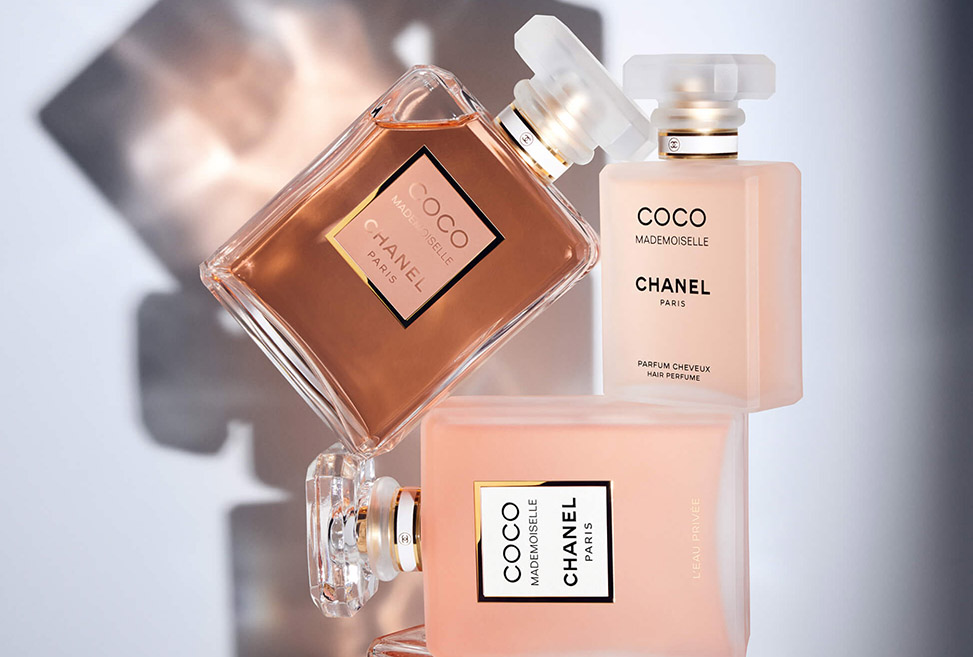
- Chanel Coco Mademoiselle: A classic yet modern oriental floral. The fresh citrus top notes, soft jasmine and rose heart, and deep patchouli base give me confidence and elegance at work or on dates.
- Jo Malone Wood Sage & Sea Salt: This perfume features woody and sea salt notes, offering a natural, fresh vibe perfect for daily wear and travel, bringing a sense of ease and comfort.
- Maison Margiela Replica By the Fireplace: Warm woody and vanilla notes reminiscent of cozy moments by the fireplace, ideal for autumn and winter, giving a strong feeling of safety and warmth.
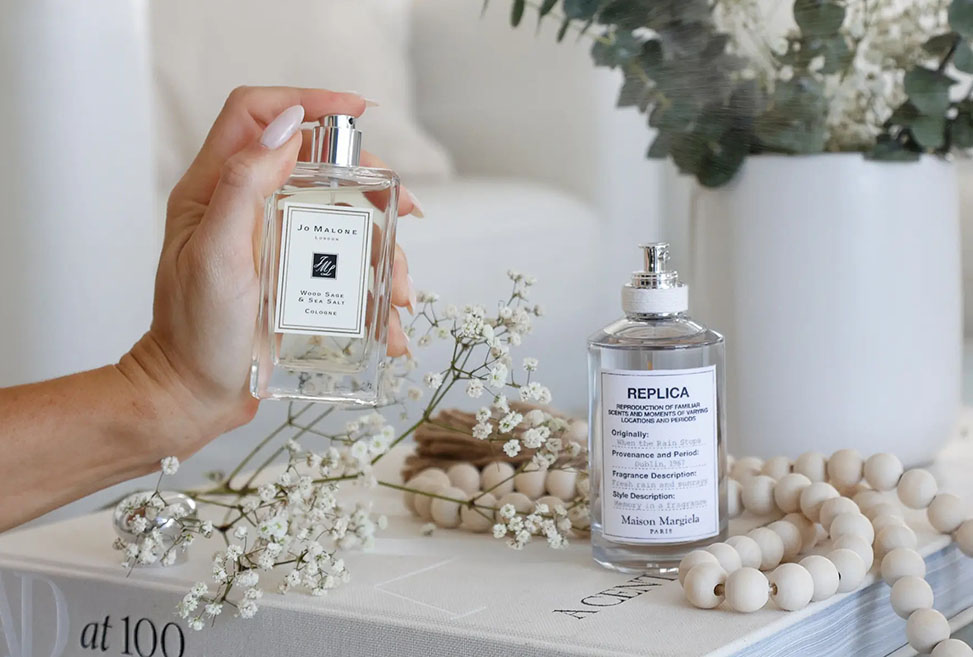
All of these I can easily find on Amazon, making shopping both convenient and trustworthy.
6. The Wonderful Connection Between Fragrance and Emotions
I have found that perfume is not just an external adornment; it profoundly affects my inner feelings. Different scents help me adjust my mood: a hint of lemon or mint refreshes me when tired; lavender or orange blossom brings calm and relaxation when stressed.
Thus, fragrance is not only my “external charm code” but also my “emotional regulator.” I choose perfumes according to my mood and needs.
7. Find Your Fragrance Code and Be Unique in Scent
Everyone’s scent charm is unique. Finding that exclusive perfume is like having an invisible label that tells your story, expresses your emotions, and becomes part of your unique style.
The world of fragrance is rich and enchanting. I hope my sharing helps you open the door to it, discover your own fragrance code, and make scent your secret fashion weapon.
Starting today, try telling your story with perfume and unleash your unique scent charm!