Every time the seasons shift, especially from summer to autumn or from autumn into winter, my skin reacts like a neglected plant—tightness, flaking, cakey foundation, redness… even my most trusted foundation stops behaving. The British autumn and winter are the worst: the air is cold and damp, but paradoxically dry, with strong wind outdoors and blasting heaters indoors. My skin is basically being yanked back and forth in a “hot-cold shock.”
I don’t have naturally stable skin, so I always start adjusting my skincare routine well before the actual seasonal transition—focusing heavily on hydration and barrier repair. Today, I’m sharing the exact hydration routine that saved my skin year after year. Whether you’re dry, combination-dry, or just seasonally sensitive, this lineup could pull your skin back from the brink too.
Step 1: Start with the Wash — Gentle Cleansing is Step One of Hydration
Many people sabotage their skincare right from the cleanser. In autumn and winter, when your skin barrier is already vulnerable, using a foaming or overly cleansing face wash is like stripping the last layer of defense.
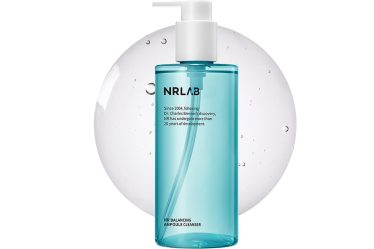
Here are the cleansers I go for:
- Amino acid-based cleansers: gentle, creamy foam that doesn’t strip the skin. Suitable for most skin types.
- Gel cleansers: ideal for combination-dry skin. Leaves the face soft with added hydration.
- Cream or milk cleansers: if your skin is already flaking or cracking, ditch anything that foams and go with a milky cleanser.
Pro tip: Use warm, not hot, water. Massage with your fingers for 30 seconds. No cleansing tools—just hands. Minimal friction.
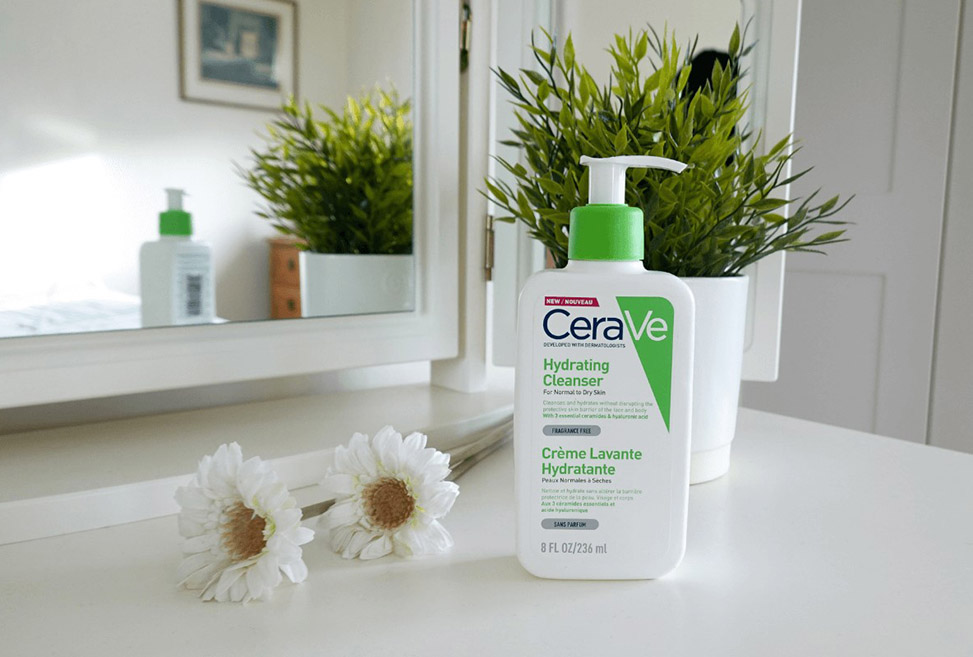
Recommended: CeraVe Hydrating Cleanser, La Roche-Posay Toleriane Cleanser (available via Amazon or Boots).
Step 2: Toner Isn’t Pointless — It’s the First Drink of Water for Your Skin
Toners are often underrated, but for me, a hydrating toner is non-negotiable during seasonal transitions. I skip anything with alcohol or exfoliating ingredients and go for calming, moisture-boosting toners.
I use the layered toner method:
- Press a small amount into the skin with clean hands or cotton pads;
- Wait a few seconds for it to absorb, then apply a second layer.
Recommended ingredients: ceramides, hyaluronic acid, centella asiatica, panthenol.
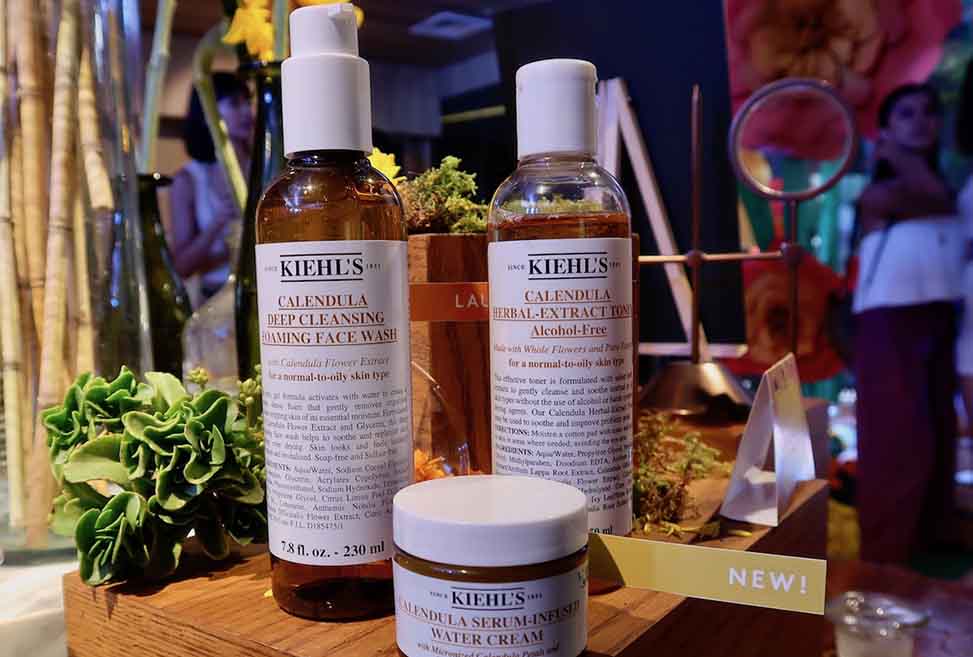
Products I trust: Kiehl’s Calendula Herbal Extract Toner (great for sensitive skin), Hada Labo Gokujyun Hydrating Lotion (affordable and effective).
Step 3: Serum is the Real MVP — Choose It Wisely
The most important step in my hydration routine is serum. Creams seal it in, but serums are the ones doing the actual repair work. If you only have budget for one premium skincare item, make it a serum.
My go-to autumn-winter serum squad:
- Hyaluronic acid: Locks in water and plumps. Apply on damp skin right after toner.
- Ceramide serums: Rebuilds the skin barrier. Great when your skin feels weak or irritated.
- Peptides: Anti-aging plus hydration. Perfect for mid-20s and beyond.
- Facial oils or oil-based serums: Add a drop to your night cream for extra nourishment.
Tip: apply in small amounts, pat into sections for better absorption.
Recommended: The Ordinary Hyaluronic Acid 2% + B5, Estée Lauder Advanced Night Repair (both found on Amazon or Selfridges).
Step 4: Moisturizer is the Gatekeeper — Seal It In or Lose It All
Using the wrong moisturizer can undo all your serum work. I rotate my moisturizers based on time of day:
- Daytime: Lightweight yet hydrating. Balanced water-oil content, no interference with makeup.
- Nighttime: Richer, more occlusive types to help skin repair overnight.
How I use it:
- Apply within 30 seconds of serum;
- Massage especially around nose, smile lines, and under eyes;
- On extra dry days, mist your face before applying a second layer like a “hydration mask.”
Product picks: CeraVe Daily Moisturizing Lotion (day), La Roche-Posay Cicaplast Baume B5, First Aid Beauty Ultra Repair Cream (night).
Step 5: Oils Aren’t Just for Dry Skin
Facial oils can benefit oily or combo skin too when used correctly. They add suppleness and improve the skin’s ability to retain moisture.
How I use oils:
- One drop pressed onto face after moisturizer before bed;
- Mixed into cream to soften texture and reduce oiliness;
- Dabbed on flaky spots before going out in cold weather.
Look for ingredients like squalane, rosehip oil, or jojoba oil.
My favorites: The Ordinary Squalane, Pai Rosehip Oil (available on Cult Beauty or Lookfantastic).
Step 6: Don’t Forget Eyes and Lips
The first parts to show seasonal dryness? Undereye lines and cracked lip corners. Here’s what I do:
- Eye creams: lightweight but hydrating, with peptides, caffeine or hyaluronic acid.
- Overnight lip masks: At bedtime, I layer on a balm (sometimes Vaseline) over a nourishing lip cream.
- Targeted moisture masks: Occasionally I’ll dab a hydrating mask around smile lines.
By morning, you’ll see a noticeable reduction in flaking and fine lines.
Step 7: Hydration Masks Twice a Week = Instant Rescue
When my skin is red, flaky, or itchy, I bring in masks to calm everything down.
I rotate between:
- Sleeping masks: Laneige Water Sleeping Mask, La Roche-Posay Cicaplast Sleeping Mask.
- Sheet masks: Focused on hydration, no irritating additives.
- Gel masks: Avene Soothing Moisture Mask for days my skin feels truly depleted.
2x per week is enough. Too much masking can backfire.
Step 8: Sunscreen Still Matters — Hydration Needs Protection Too
So many people skip sunscreen in colder months, but UV damage happens year-round. Plus, your already compromised skin barrier needs shielding.
What I look for:
- Alcohol-free, gentle formulas;
- With added hydrators (glycerin, hyaluronic acid);
- Creamy textures or tinted formulas that double as primer.
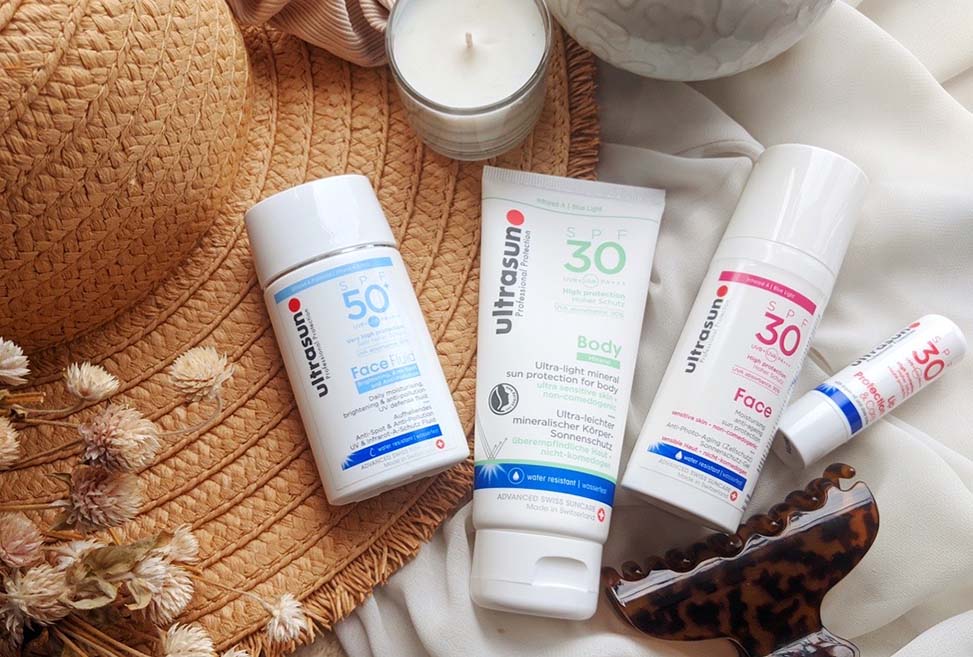
Top picks: La Roche-Posay UVMune 400, Ultrasun Face SPF 30 (available on Boots).
Step 9: Hydrate From the Inside Out
Skincare isn’t just topical. I make sure my internal habits support my skin too:
- Drink at least 2L of warm water daily;
- Eat one omega-3-rich food every day (salmon, walnuts, flaxseed);
- No late nights! Skin regenerates between 11PM–2AM;
- Use a humidifier in heated rooms—absolute game changer.
Seasonal Dryness Isn’t Scary, Being Unprepared Is
Every seasonal change feels like a gentle nudge from my skin saying: “Slow down. Care for me.” From gentle cleansing to sealing in oils at night, each step is part of a layered ritual that keeps my skin hydrated, happy, and stable.
“Cracked and flaky” doesn’t have to be your default. With some attention and the right products, your skin can absolutely bounce back. Hydration isn’t just about slathering on thick creams—it’s a full routine that balances, supports, and heals from the inside out.
And trust me, when you wake up and look in the mirror to see plump, calm skin instead of irritation? Totally worth it.