I have always believed that the true determinant of skin condition is not the makeup layer applied each morning, but the period after removing makeup at night. The skin’s repair efficiency during nighttime far surpasses that of daytime. It is a golden window of undisturbed time, free from UV exposure and environmental pollutants. If you can make good use of this time, even just adding a few simple steps before bed can bring surprisingly positive changes to your skin.
I used to be lazy about nighttime skincare, thinking that washing my face and applying some moisturizer was enough. The result? After nights of staying up late, my complexion looked dull and yellowish, pores enlarged, and fine lines subtly appeared. It wasn’t until I started taking my nighttime routine seriously—treating it as a ritual of self-care—that I truly experienced the joy of waking up with glowing skin.
Today, I want to share my entire nighttime skincare routine. From cleansing, conditioning, to deep repair, whether you are in your mid-20s with early signs of aging or already facing skin maturity, I believe you can find practical tips tailored to your needs.
Step One: Makeup Removal Is Not Just a Routine—It’s Releasing Your Skin’s Burden
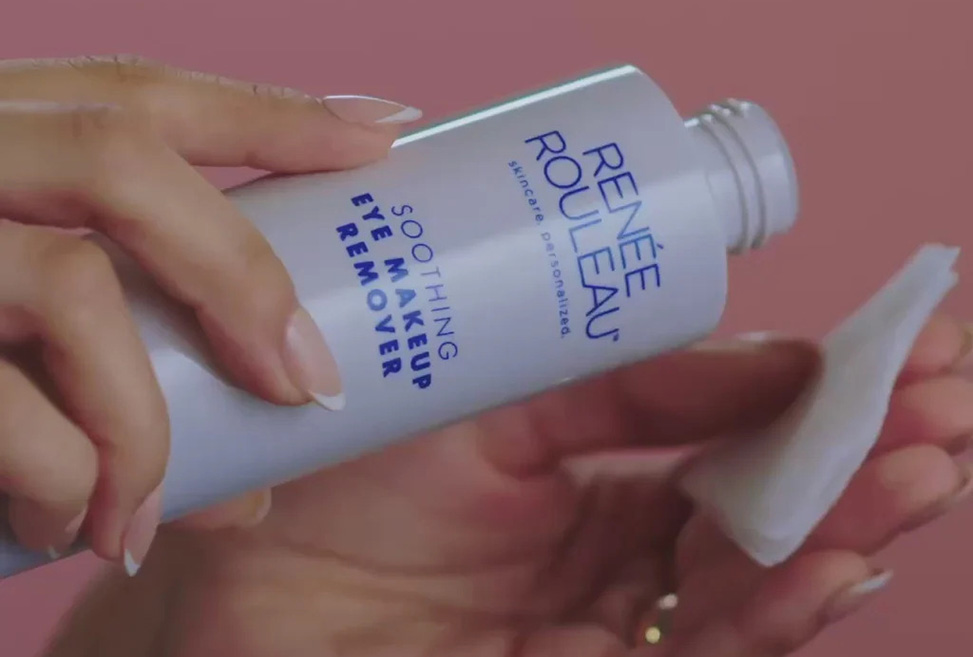
No matter whether I wear makeup or not, I always remove it at night. Even if I only apply sunscreen or a light foundation, I use a makeup remover first. This is because dust, oxidized oils, and daily metabolic residues accumulate in pores, creating invisible blockages.
I typically use two types of removers: cleansing oils for heavy makeup days, and cleansing balms or milks for lighter makeup or just sunscreen. I apply the product on dry hands and face, gently massaging for about a minute until the makeup and impurities dissolve, then emulsify with warm water and rinse thoroughly.
Recently, I’ve been using a Japanese cleansing balm with a silky texture that emulsifies quickly and leaves no oily residue. It’s conveniently available on Amazon.
Step Two: Choosing a Cleanser Determines Your Skin’s “Breathability”
After removing makeup, I perform a proper cleanse. Night cleansing differs from morning cleansing—it not only removes surface dirt but also clears the day’s accumulated burdens. I prefer gentle yet effective amino acid-based cleansers or cleansing powders with mild enzymes.
When cleansing, I pay close attention to not over-scrub, gently massaging in circular motions for about 30 seconds to avoid damaging the skin’s protective barrier. Afterwards, I pat my face dry with a soft towel—never rubbing.
Truly clean skin feels soft, not tight or stripped. If your face feels tight or rough after washing, your cleanser might be too harsh.
Step Three: The Core of Night Skincare—Gentle Conditioning and Deep Hydration
After cleansing, the skin is in a blank receptive state. The first step here is applying toner, which helps establish a hydrated barrier quickly and prepares the skin for the next products.
My approach is to first apply a soothing toner, either gently pressing it onto my face with a cotton pad or patting it in with my hands. If my skin is especially dry or I’ve just exfoliated, I’ll use a moisturizing sheet mask for three minutes to help soften the skin.
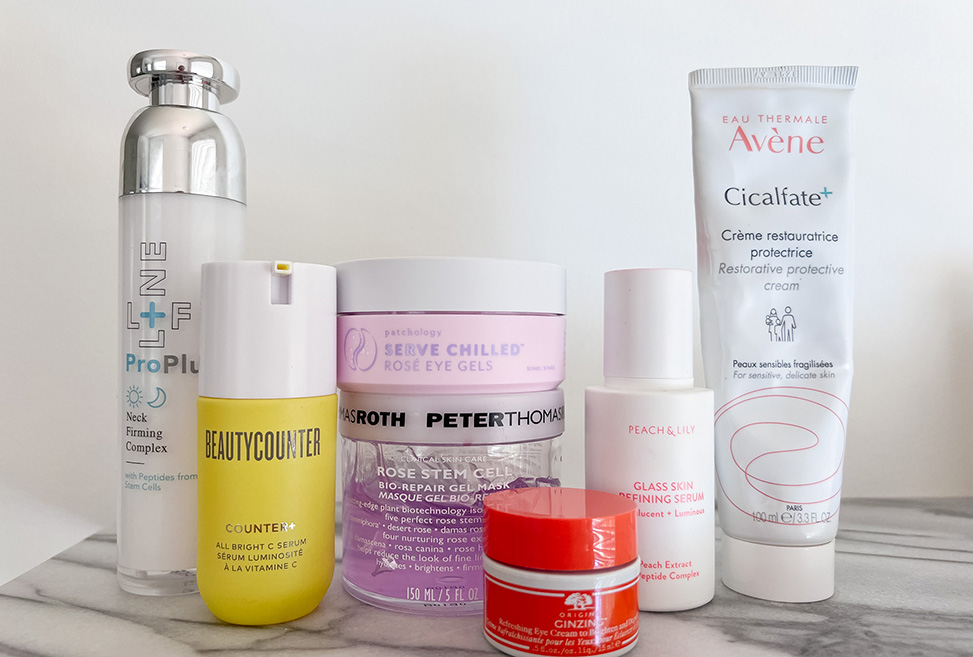
Next comes serum. I typically choose serums with repairing, anti-aging, or brightening effects, such as those containing niacinamide, peptides, vitamin C, or hyaluronic acid. Depending on my skin’s needs, I alternate a few different formulas to avoid ingredient conflicts.
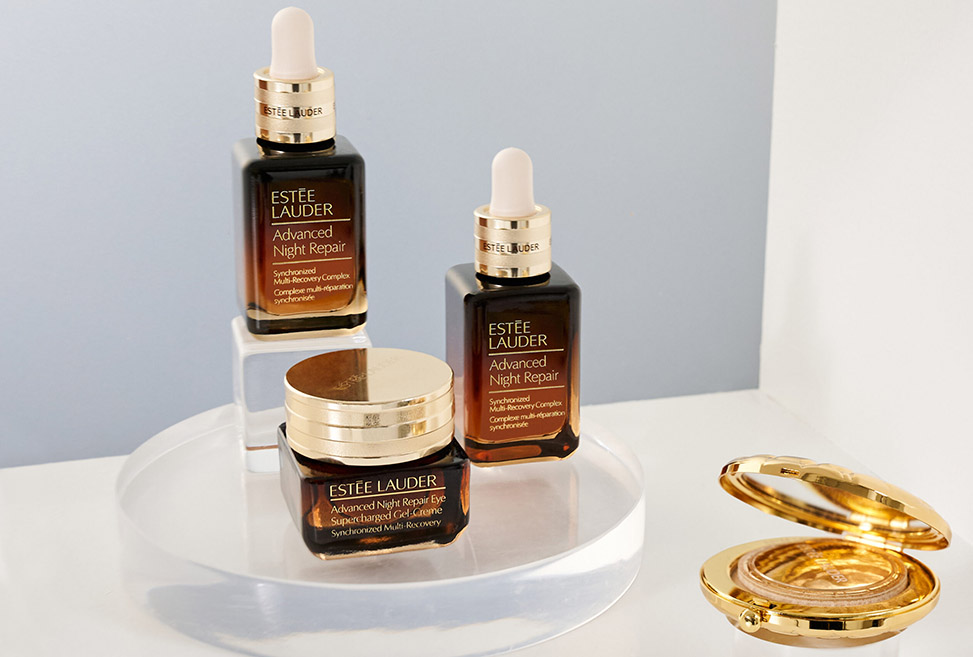
I regularly use Estée Lauder’s Advanced Night Repair and The Ordinary’s peptide serums, both easily found on Amazon.
Step Four: Eye Care—Details Define Your Complexion
Many neglect eye cream or think they’re too young to need it, but the skin around the eyes is the first to show signs of aging. Spending over six hours a day in front of screens, my eyes easily get dry and tired, and dark circles appear more prominent.
I’m picky about eye creams—I don’t like thick ones, nor too watery formulas. I prefer something with a slightly elastic cream texture, suitable for both morning and night. At night, I gently press it into the skin for a few extra seconds, lightly tapping along the under-eye area, and use my ring finger to stimulate circulation around the orbital bone.
Sometimes I use alternating warm and cold eye masks with a gentle massage to revive the area. Consistent eye care really helps my makeup apply more smoothly and prevents caking.
Step Five: Facial Oils and Night Creams—The Final Line of Night Repair
At this stage, I decide whether to use facial oils or night creams based on the temperature, humidity, and my skin’s condition.
In autumn and winter, I love mixing a few drops of botanical oils into my night cream. This adds nourishment and helps lock in the previous layers’ nutrients. In spring and summer, I tend to choose lighter night creams, though I still apply a bit extra on dry areas like the nose wings and chin.
A key technique is the “pressing method”: cupping my cheeks with my palms and gently pressing inward instead of rubbing. This not only helps better absorption but also relaxes facial tension—making bedtime skincare a soothing ritual.
Step Six: Special Care—Alternating Masks, Acids, and Repair Serums
My nighttime routine isn’t the same every day; I incorporate “bonus steps” based on skin condition and timing.
For example:
- Applying hydrating sheet masks twice a week (hyaluronic acid or centella asiatica-based for soothing)
- Using low-concentration fruit acid serums once a week to help exfoliate dead skin
- Turning to repairing night serums or emergency ampoules when my skin feels compromised
These treatments are not stacked daily but used in rotation to avoid overwhelming my skin. If I use acids one night, the next night focuses on repair and hydration, with added emphasis on sun protection during the day.
Step Seven: Don’t Forget Lips, Neck, and Hands—The “Aging Reveal Zones” Need Love Too
We often focus only on facial care but neglect the lips, neck, and hands.
Every night, I soak my lips in warm water, gently exfoliate dead skin with a damp tissue, then apply a thick layer of lip balm. Especially in winter, this makes my lips noticeably smoother the next day.
For my neck, after applying face cream, I simply extend the product downward, massaging upwards gently. No extra products needed, but it’s important to avoid harsh pulling.
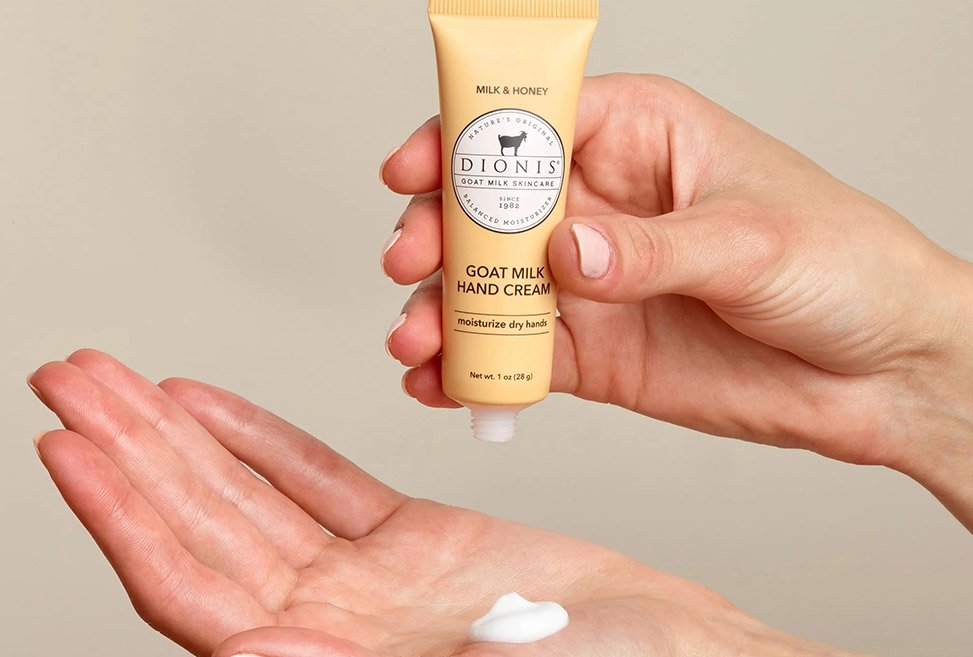
For hands, I apply hand cream mixed with a drop of facial oil before bed and wear cotton gloves overnight. In the morning, my hands feel as if they’ve had a nourishing spa treatment.
Step Eight: Sleep Habits and Environment—Doubling Your Skincare Results
Good skincare isn’t just about using the right products; it also depends on healthy habits and sleep environment. I used to stay up late often, and no matter how much I cared for my skin, my complexion was dull. Only after I started going to bed before 11 pm did I see significant improvement.
I keep a humidifier in my bedroom to maintain moisture levels and prevent water loss during sleep. I change pillowcases regularly, preferring silk or pure cotton to reduce friction.
Sometimes I use light aromatherapy or spray pillow mists to relax my mind. Skincare is not only physical repair but also emotional balance.
The Nighttime Commitment Is the Confidence for Daytime
Skincare is never an instant magic trick but a steady accumulation of small, thoughtful actions. Nighttime is when skin needs our tender care the most.
When I treat my nighttime routine as a ritual, my skin visibly improves, and my whole demeanor feels renewed. Those mornings waking up with naturally glowing, hydrated skin are the best reward for my nightly efforts.