With the continuous advancement of technology, especially in the field of artificial intelligence (AI), the beauty industry is undergoing unprecedented transformation. From cosmetics development to personalized skincare solutions, AI technology and personalized customization are gradually becoming mainstream trends, reshaping consumers’ expectations and demands for beauty products and services. By 2025, as consumers’ pursuit of personalization, precision care, and effectiveness increases, AI-powered skincare and personalized customization will lead the future beauty trends.
I. AI-Powered Skincare: The Future of Precision Care
1. AI-Driven Skin Analysis
In the past, consumers often relied on beauty consultants’ recommendations or personal experiences to select skincare products. However, with the development of AI technology, personalized skincare has begun to become more precise. AI-powered skin analysis technology uses facial recognition and data collection to accurately diagnose skin conditions and recommend the most suitable skincare products and solutions.
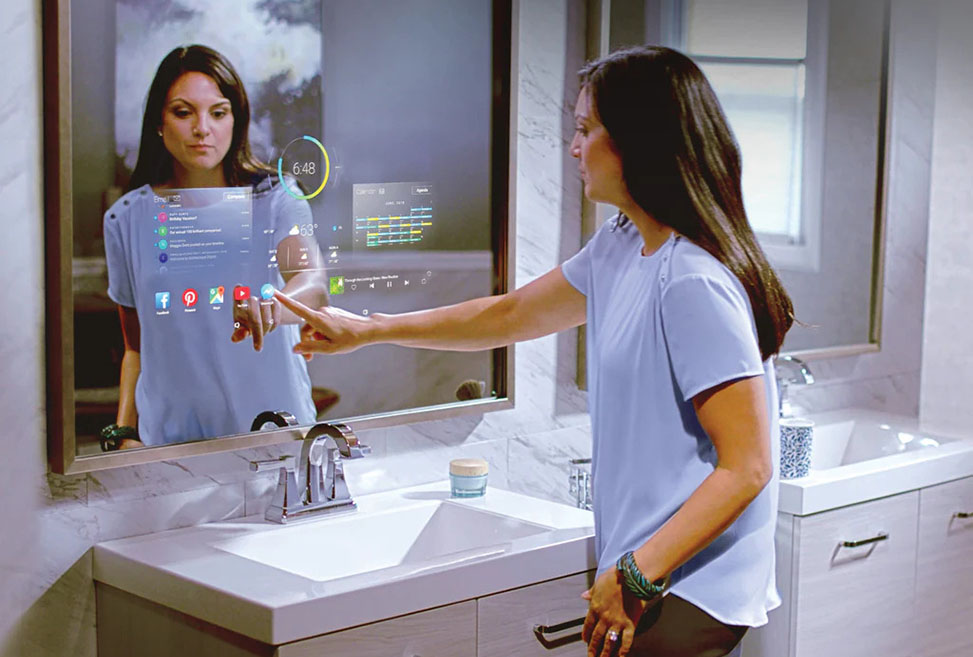
For example, through smart mirrors or apps, consumers can scan their facial skin, and AI technology will recognize skin details such as oil secretion, enlarged pores, fine lines, and uneven skin tone. This data is analyzed by AI algorithms, which can then customize skincare steps for each individual, covering cleansing, toning, serums, and moisturizers. By continuously tracking skin conditions, AI can also adjust the skincare regimen based on seasonal changes, environmental factors, and lifestyle habits, ensuring maximum skincare effectiveness.
2. The Popularization of Smart Skincare Devices
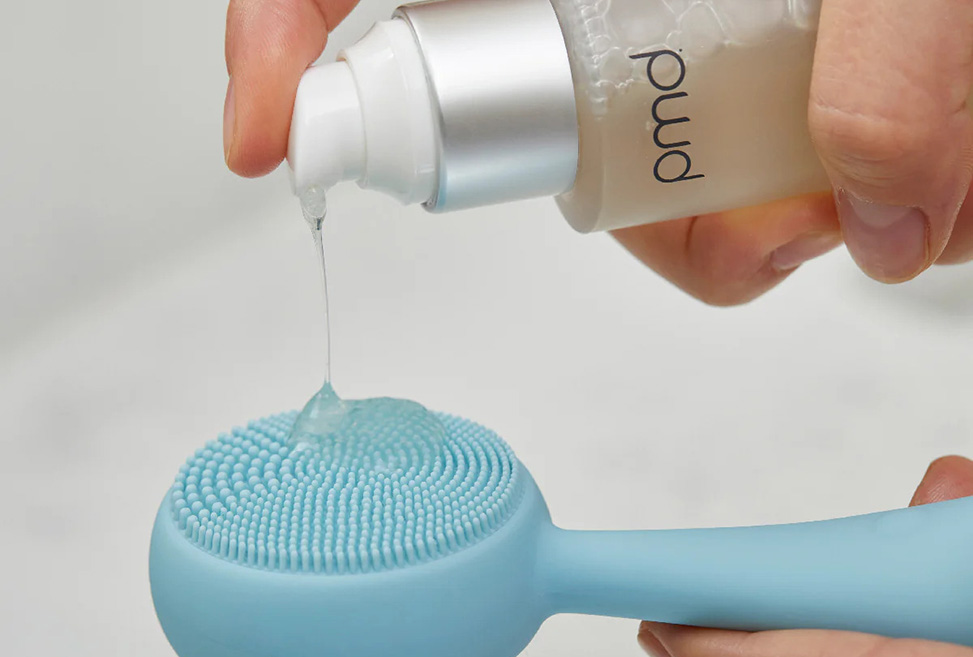
With the widespread use of smart devices, AI-powered skincare tools are gradually entering consumers’ daily lives. For example, smart cleansing devices, temperature-controlled mask devices, and automatic massagers can adjust different usage modes based on the user’s skin condition and needs. The advent of these devices means that skincare is no longer solely reliant on external products but is also empowered by technology to provide each consumer with a personalized and intelligent skincare experience.
Smart skincare devices use sensors and data analysis technology to monitor skin conditions in real-time, providing feedback on indicators such as water-oil balance, elasticity, and smoothness. This allows users to better understand their skin condition and make more informed skincare decisions based on feedback. These technological advances not only enhance skincare results but also help consumers better understand their skin needs, ultimately improving decision-making.
3. AI and Precision Ingredient Analysis
With the application of AI, the analysis of cosmetic ingredients has become more precise and efficient. AI can help analyze the interactions between different skincare ingredients and their effects on the skin, providing consumers with more scientifically informed skincare choices. Through AI’s screening and ingredient combination analysis, future skincare products can be personalized to meet individual needs and optimize ingredient combinations to improve product efficacy.
For instance, AI can determine which ingredients are most effective for specific skin concerns (e.g., anti-aging, hydration, brightening) and provide consumers with personalized ingredient combinations. This technology will make skincare product selection more scientific, reducing trial and error, and making skincare routines more precise and efficient.
II. Personalized Customization: Tailoring Solutions for Every Consumer
As consumer demands for beauty products diversify, personalized customization is gradually becoming the mainstream trend in the industry. Traditional beauty products often meet mass-market needs, but every individual has different skin conditions, skin types, environmental factors, and even preferences, requiring more personalized solutions to address these unique needs. Personalized customization is not only evident in skincare products but also extends to makeup, perfumes, and more, allowing consumers to use technology to create their own exclusive products.
1. The Emergence of Personalized Skincare Solutions
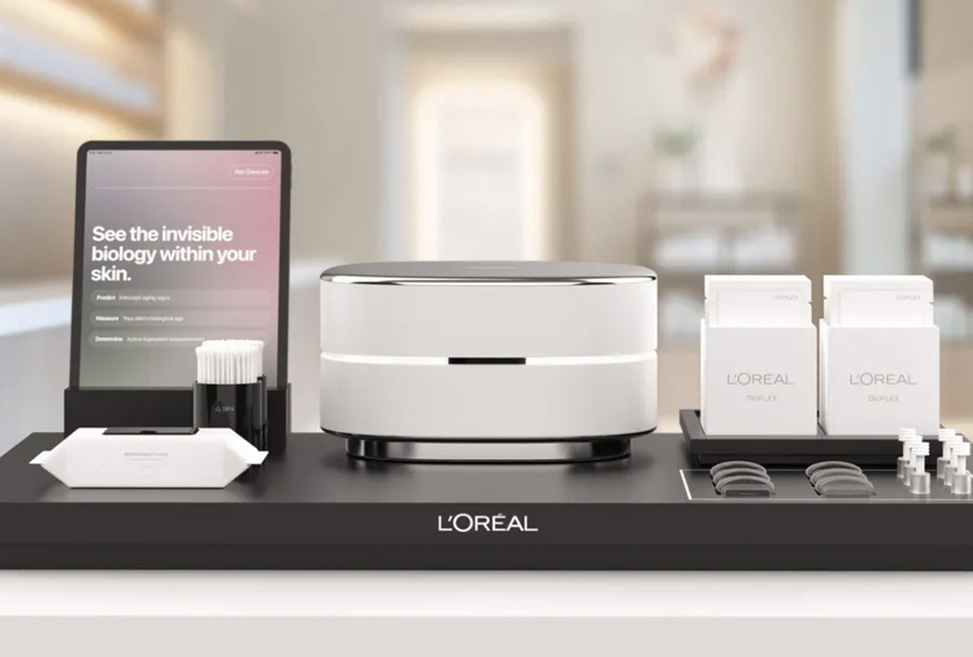
Personalized skincare solutions are particularly prominent in skincare product selection. Consumers can use professional skin testing devices or AI systems to assess their skin type, sensitivity, and specific skin issues, and based on this data, tailor skincare products specifically for them. For example, some skincare brands offer personalized serums and moisturizers based on consumers’ facial data, ensuring that each person’s skincare regimen is precisely suited to their needs.
Some brands have introduced personalized skincare formulation systems where users can complete an online test to select the ingredients best suited to their skin type. The system will automatically generate a custom product based on the user’s feedback on their skin condition. The emergence of these custom skincare products has gradually made the traditional “one-size-fits-all” approach obsolete, making personalized customization the mainstream trend for the future.
2. Custom-Made Beauty Products
In addition to skincare, personalized customization is becoming more widespread in makeup products. For example, some brands now offer custom lipstick services, allowing consumers to choose the color, texture, packaging design, and more to create a one-of-a-kind product. Using AI technology, these products can recommend colors and formulations based on the consumer’s skin tone, makeup preferences, and the occasion, enhancing the overall makeup experience.
Additionally, some high-end beauty brands offer personalized perfume services, where consumers can select their preferred fragrance notes and intensity, blending personal body chemistry, lifestyle, and emotional needs to create a unique fragrance. This type of customization, centered on individual preferences, transforms beauty from a standardized product into a unique expression of one’s relationship with beauty.
3. Personalized Recommendation Systems Based on Big Data
Personalized recommendation systems have become an important trend in the beauty industry. Leveraging big data analysis and AI technology, brands can better understand consumer needs and provide personalized product recommendations. For example, intelligent apps can push products that match the consumer’s skin type, purchase history, browsing preferences, and more. This personalized recommendation greatly enhances the shopping experience and increases consumer loyalty to brands.
AI can also quickly adjust recommendation algorithms based on real-time consumer feedback, ensuring the accuracy and effectiveness of product recommendations. This not only improves consumer satisfaction but also helps brands stand out in an increasingly competitive market.
III. Future Beauty Trends: The Seamless Integration of AI and Personalization
As AI technology and personalized customization continue to evolve, the future beauty industry will exhibit increasingly intelligent, personalized, and diversified trends. Beauty will no longer be a mere “product purchase” process but will integrate consumers’ personal needs, data analysis, and precision technology, providing a completely new beauty experience.
1. Seamless Intelligent Experience
In the future, the beauty industry will focus more on creating a seamless intelligent experience. For example, consumers will be able to monitor changes in their skin in real-time using smart devices, and adjust their skincare regimen with the help of AI; during makeup application, AI could offer real-time makeup suggestions and even adjust the order of product use for optimal results.
2. Tech-Driven Beauty Innovation
With the development of AI technology, sensor technology, and the Internet of Things (IoT), the beauty industry will achieve more innovative breakthroughs in the future. For example, smart devices could provide “real-time hydration” or use genetic analysis to predict skin aging and take preemptive action. These technological innovations will change traditional skincare and beauty concepts, leading to more precise and efficient beauty experiences.
3. A Complete Shift from Mass Market to Personalized Products
With the rise of personalized customization, future beauty trends will completely abandon mass-market products in favor of truly “customized for you” solutions. Everyone will have the ability to create a skincare and makeup regimen tailored to their unique skin features, lifestyle habits, and beauty preferences, allowing them to better achieve personal beauty and health goals.
The future beauty industry will be driven by both intelligence and personalization, with AI technology offering customized skincare and beauty solutions for each person. This will break the limitations of traditional products and provide a more technology-driven and innovative beauty experience. From precise skin analysis to personalized customization services, the combination of AI and big data will create a new beauty world for consumers. As this trend continues to develop, the beauty industry will usher in a smarter and more personalized new era.